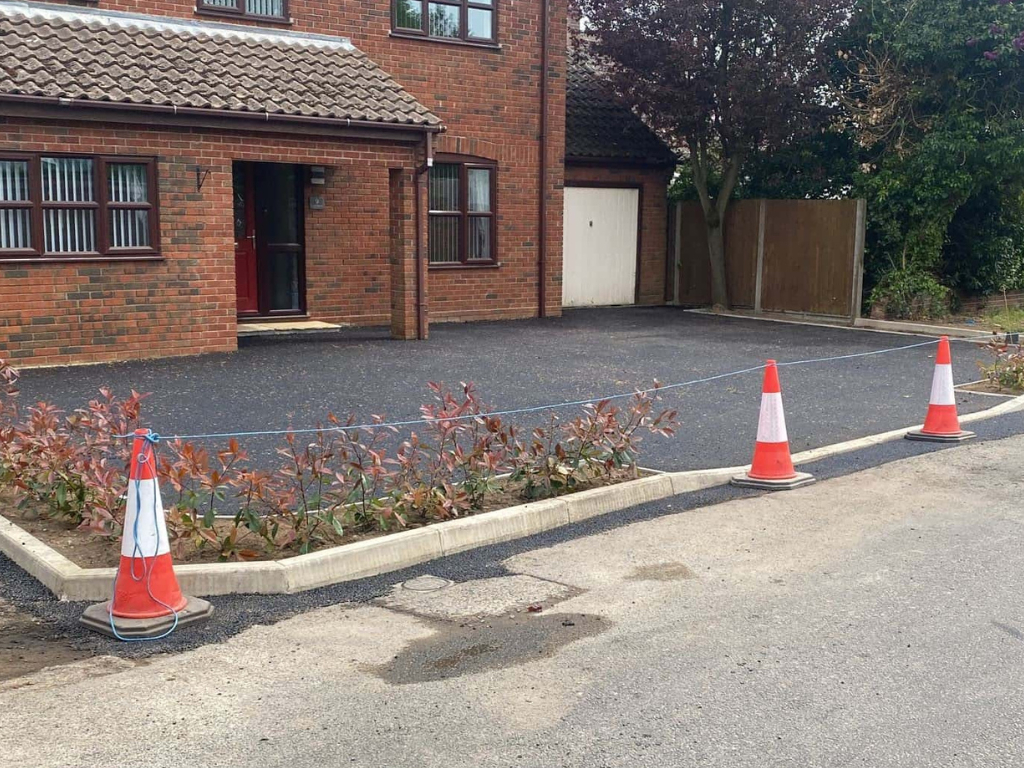
Agricultural Tarmac Surfacing: Improving Access Around Your Farm
Reliable access is essential for keeping a farm operating efficiently. From moving machinery and transporting supplies to allowing staff and delivery vehicles to reach important areas, farm roads and access routes need to withstand regular use and changing weather conditions. Poorly maintained surfaces can create ruts, standing water and uneven sections that make everyday tasks more difficult.
Agricultural tarmac surfacing provides a practical option for improving access around farms. When properly designed and installed, it creates a durable, relatively smooth surface that can support a range of agricultural activities. For farms in Stowmarket, Suffolk, choosing the right surfacing solution starts with understanding how the area will be used and what the ground conditions require.
Why Tarmac Surfacing Can Benefit Agricultural Properties
Farm access routes often experience different demands from ordinary residential driveways. Tractors, trailers, delivery vehicles and other machinery can place considerable stress on the surface, particularly where traffic is frequent or concentrated in certain areas.
Tarmac offers a continuous surface that can make it easier for vehicles to move between farm buildings, storage areas, yards and entrances. Compared with loose materials, a properly constructed tarmac surface can also reduce the movement of stones and the formation of loose patches.
The suitability of tarmac depends on the expected vehicle loads, ground conditions and quality of construction. These factors should be assessed before work begins to ensure the finished surface is appropriate for its intended agricultural use.
Improving Access in Wet and Changing Weather
Weather can have a significant effect on farm access. Rainfall may soften unpaved routes, create muddy sections and leave water collecting in low spots. These conditions can make vehicle movements less convenient and increase the amount of dirt tracked into buildings and working areas.
A well-planned tarmac surface, combined with suitable drainage, can help provide more consistent access throughout the year. The surface should be designed to direct water away effectively rather than allowing it to collect around entrances, buildings or frequently used routes.
Drainage is particularly important where existing ground levels or surrounding land may direct water towards the access road. Addressing these issues during installation helps protect the surface and maintain its usability over time.
Choosing the Right Areas for Agricultural Tarmac
Not every part of a farm needs the same type of surfacing. Identifying the most frequently used routes can help determine where tarmac is likely to provide the greatest practical benefit.
Common areas to consider include:
- Farm entrances and connecting access roads that experience regular vehicle movements.
- Routes between agricultural buildings, workshops and storage facilities.
- Delivery and collection areas where vehicles need a stable surface for manoeuvring.
- Parking and turning areas used by staff, visitors and farm machinery.
- Approaches to yards where mud and loose material regularly cause difficulties.
The expected use of each area should guide the design. A route used by occasional light vehicles will have different requirements from a yard regularly crossed by heavy tractors or loaded trailers.
The Importance of Ground Preparation
A durable tarmac surface relies on more than the visible finished layer. Proper preparation beneath the surface is essential for supporting vehicle loads and reducing the risk of premature damage.
The existing ground should be assessed for soft spots, uneven areas and drainage problems. Unsuitable material may need to be removed, and an appropriate sub-base installed and compacted to provide a stable foundation.
The thickness and construction of the surfacing should reflect the intended use and expected loading. If the foundation is weak or poorly prepared, the surface may develop depressions, cracking or other defects under repeated traffic.
Professional installation helps ensure that preparation, levels and surfacing are considered together rather than treating the tarmac as an isolated layer.
Planning for Long-Term Maintenance
Although tarmac can provide a practical and durable surface, routine maintenance remains important on agricultural properties. Regularly checking the surface can help identify small problems before they become more extensive.
Look for cracks, loose edges, depressions and areas where water begins to collect. Farm entrances and turning points may need particular attention because vehicles often brake, turn or apply greater pressure in these locations.
Keeping drainage channels clear and avoiding unnecessary damage from unsuitable machinery or working practices can also help preserve the surface. Where defects appear, arranging an appropriate repair can help maintain safe and convenient access.
Professional Agricultural Tarmac Surfacing in Stowmarket
Every farm has its own access requirements, depending on its layout, vehicle movements and day-to-day operations. A suitable surfacing project should account for these factors from the initial assessment through to ground preparation, drainage and final installation.
Stowmarket Driveway Services provides driveway and tarmac surfacing services in Stowmarket, Suffolk. If you are considering improving your farm entrance, access roads or working areas, contact the team to discuss your requirements and explore a suitable surfacing solution.
Conclusion
Agricultural tarmac surfacing can help improve vehicle access, reduce problems associated with loose or muddy routes and create a more practical working environment around a farm. Its long-term performance depends on choosing the right areas, preparing the ground correctly and providing effective drainage.
For farm owners in Stowmarket, Suffolk, Stowmarket Driveway Services can help assess your surfacing needs and plan an installation suited to the demands of your property. Get in touch to discuss your project and take the next step towards more reliable farm access.
Call us on: 01449 700 690
Click here to find out more about Stowmarket Driveway Services
Click here to complete our contact form and see how we can help with your driveways.